

Extremity Care System Aims To Preserve Severed Limbs For Reattachment
Hannover Medical School (MHH) reports that its research team is developing a care system intended to maintain amputated limbs until surgical reattachment is possible. The project responds to a global rise in traumatic amputations caused by traffic incidents, workplace injuries, recreational accidents, armed conflict and terrorist attacks.
Growing need for advanced limb preservation
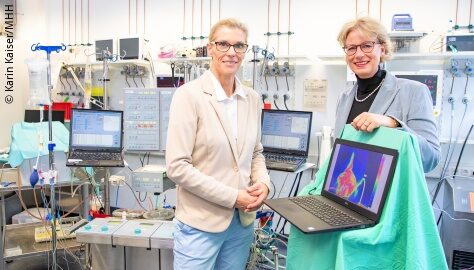
Only a limited number of specialist centers can perform autologous replantation, a demanding procedure requiring stabilization of fractures, reconnection of vessels and careful nerve alignment. Quick intervention is essential, as limbs stored on ice survive only a few hours without blood flow. Professor Bettina Wiegmann and Professor Kirsten Haastert-Talini aim to address this with a transportable system that fits into standard emergency vehicles and can also help preserve donor extremities for transplantation.
Concept for an ex vivo limb perfusion system (EVEP)
The researchers have outlined the structure and perfusion protocol of an EVEP device. The goal is to create conditions similar to an organ care system, keeping tissue viable longer and improving patient outcomes.
Time remains a critical factor
Professor Wiegmann emphasizes: “In Germany alone, there are around 56,000 amputations every year.” Many limbs are replaced with prostheses due to limited expertise in replantation or delays caused by necessary stabilization of injured patients. Prolonged ischemia leads to irreversible cell damage.
Organ Care System principles applied to limbs
The approach connects the severed extremity to an artificial blood circulation system.
Professor Wiegmann explains: “We have tested different perfusion solutions on large animal extremities and collected initial evidence […] that our system works reliably and can preserve tissue for over six hours.” A two-hour warm ischemia period was included to simulate real-world prehospital delays.
For optimal postoperative function, the team examines nerve behavior during perfusion. Professor Haastert-Talini notes: “Severed nerves in the limb stump can lengthen and become tangled, causing phantom pain.” To promote orderly regrowth, damaged nerve components must break down fully, supported by messenger substances that initiate an inflammatory response. Anti-inflammatory medication is therefore intentionally excluded.
Next steps: extending perfusion times and refining solutions
Professor Haastert-Talini states: “The basic instructions for our EVEP are in place.” Future work will optimize perfusion solutions for nerve preparation and lengthen the period limbs can be maintained ex vivo. This may allow surgical teams to stabilize patients and prepare the extremity in parallel.
#MHH#GenZGrowth #Pasticsnews #ModernPlasticsIndiaMagazine
#PrintPublication #PrintMagazine #Modernhealthcareindia